AR Museum Guide vs Audio Interpretation: What Curators Must Test First
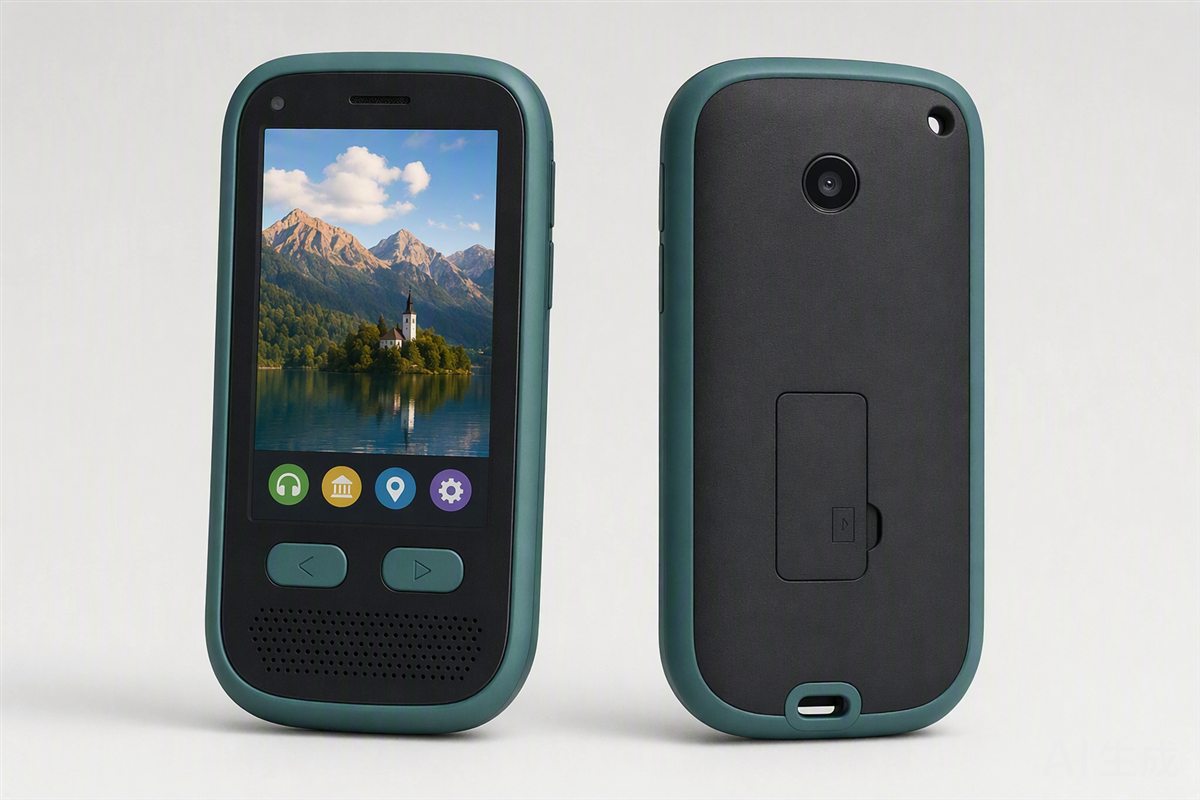
Test dwell time where it matters: at choke points, not galleries
Dwell time is not measured in front of a painting. It is measured at entrance turnstiles, elevator banks and stair landings where visitors pause to orient themselves. A headset may delay entry if staff must assist with fit, strap adjustment or focus calibration — adding seconds per person that compound across queues. An open-ear receiver like the G2 avoids this by requiring zero physical contact beyond holding a lightweight unit. To isolate this variable, run parallel trials: one group using the Vox Guide AI Tour Glasses, another using the G1 player, both entering the same exhibit route at identical intervals. Log time from gate entry to first exhibit stop — not time spent at the stop itself.Queueing isn’t about speed — it’s about predictability
Visitors tolerate longer waits if they understand duration and progression. Headsets require charging, pairing and sometimes firmware updates between shifts. Receivers need only volume checks and battery swaps. If your rental cabinet — such as the G3 Audio Guide Rental Cabinet — cannot auto-detect low charge or failed Bluetooth handshake before checkout, queue delays escalate unpredictably. Verify that any proposed solution includes firmware-level queue-state reporting to backend systems, not just hardware-level status LEDs.Accessibility starts with physical access — not software menus
A device labelled “accessible” fails if it cannot be held, worn or operated by visitors with limited dexterity, tremor or reduced grip strength. The G2 open-ear receiver has no straps, no pinch points and a single tactile button. The Vox Guide glasses require temple adjustment, nose pad repositioning and repeated eye-tracking recalibration — none of which are supported by voice or haptic guidance. Confirm that your supplier provides a full physical ergonomics report per model, not just WCAG-aligned UI screenshots.Cleaning and maintenance are procurement constraints — not afterthoughts
Headsets demand daily disinfection of foam pads, temple arms and touch surfaces. Receivers can be wiped with alcohol swabs in under 15 seconds. But cleaning speed means nothing without durability data: how many wipe cycles does each surface withstand before delamination or conductivity loss? Our factory tests every housing material against ISO 10993-5 cytotoxicity and EN 14476 virucidal resistance — results are published per hardware revision in the how we build and test section. Do not accept generic “IP54-rated” claims without the test report reference number.What this process cannot validate — and where to say no
No current ar museum guide — including the Vox Guide glasses or any third-party AR headset — delivers verified improvement in comprehension retention, emotional engagement or post-visit recall. No peer-reviewed study cited in our scenic guide robot or pocket translator documentation measures these outcomes. If a supplier presents retention metrics, ask for the raw anonymised dataset, the control-group methodology and the IRB approval letter. Without those, treat the claim as unsupported marketing — and decline the proposal until independent validation exists.| Decision Point | AR Museum Guide (e.g. Vox Guide) | Audio-Only Receiver (e.g. G2) | Verification Required |
|---|---|---|---|
| Skin-contact compliance | Temple arms, nose pads — EN 1811 nickel release mandatory | Ear hook, body casing — EN 1811 applies only to direct-contact zones | Lab report matching hardware revision ID |
| Battery safety | Integrated Li-ion — UN38.3 + SDS + Wh rating printed on unit | Replaceable CR2032 or AA — SDS required only if rechargeable | UN38.3 summary with test date and lab accreditation ID |
| EMC compliance | CE RED: EN 300 328 + EN 301 489 (full scope) | CE RED: EN 300 328 only (no radio emissions from receiver-only mode) | Declaration of Conformity listing exact standards applied |
| Cleaning protocol | Requires non-abrasive wipe; no submersion; foam pads replaceable every 6 months | Alcohol-resistant housing; no consumable parts; IP54 ingress rating verified | ISO 10993-5 and EN 14476 test reports per revision |
| Firmware update path | OTA via Wi-Fi only; no USB fallback | USB-C mass storage mode; no network dependency | Firmware version log and rollback procedure in technical manual |
| MOQ for custom branding | 500 units (glasses), 2,000 for app white-label | 500 units (receiver), 2,000 for app white-label | Confirmed in MOQ, sampling and lead times |
Before placing an order, request the CE RED test report for the exact hardware revision you intend to procure — not a prior version or “equivalent” model. Cross-reference its test date, lab ID and clause coverage against your intended deployment environment. Then schedule a joint verification session with your importer to align on WEEE, BattG and EPR obligations — all detailed in our how we build and test and product catalogue pages. Contact our OEM/ODM team directly to book lab slots for your specific configuration.
Questions buyers ask
Which device type drives longer dwell time at exhibits?
Neither does inherently. Dwell time depends on content pacing, spatial audio cues and how cleanly the device integrates with visitor flow — not whether it is AR or audio-only. Test both against identical exhibit scripts and timed entry gates.
How do finance and compliance teams assess total cost of ownership?
They compare cleaning frequency, battery replacement cycles, loss rates and repair turnaround — all documented in our <a href="https://wingphoenixai.com/factory/">how we build and test</a> report and reflected in the <a href="https://wingphoenixai.com/resources/moq-sampling-lead-times/">MOQ, sampling and lead times</a> schedule.
What happens when a distributor receives failed samples from two different suppliers?
They cross-check CE RED documentation scope against actual hardware revision, confirm EN 1811 nickel release for skin-contact parts, and verify that battery UN38.3 + SDS match the watt-hour rating printed on each unit — all covered in our <a href="https://wingphoenixai.com/resources/ce-red-compliance-smart-watches/">CE RED document checklist</a>.
What claim do most suppliers avoid specifying — and why should you insist on it?
The exact scope of accessibility support per device class. Neither the <a href="https://wingphoenixai.com/products/ai-glasses/vox-guide-ai-tour-glasses/">AI guide glasses</a> nor the <a href="https://wingphoenixai.com/products/ai-audio-guide/g2-open-ear-guide-receiver/">open-ear receiver</a> supports real-time sign-language interpretation or haptic feedback for deafblind visitors. That capability requires separate certified hardware — and no current WingPhoenix model meets EN 301 549 Clause 11.6.1 for tactile output.
Related: more on ai audio guides · buyer guides · customisation tiers