AI Glasses for Distributors, Built to Be Sold on a Shelf

The line European buyers ask about most in 2026 — translation and open-ear audio glasses for consumer-electronics chains, travel and eyewear retailers, at €129 to €299 retail with a prescription-ready frame.

  • MOQ from 300 units
  • Samples 3–15 days
  • CE RED · FCC · RoHS 3
  • Retail band €129 – €299
What this line is for

On glasses, the software is the product

A watch sells on battery and dial size. A pair of AI glasses sells on whether translation actually keeps up with a conversation in the store, whether the frame looks like ordinary eyewear, and whether the app behaves on both phone platforms six months after launch. That is why supplier choice matters more here than on any other line we build: the hardware is easy to copy, the firmware and app are not.

Both models run on the same app platform, so a retailer can carry Vox One as the demonstration piece and Vox Lite as the camera-free option for customers and channels that do not want a lens on the temple. Frames are acetate, balanced for all-day wear, and prepared for prescription lenses fitted by your own lab in market. We assemble in Bao'an District, Shenzhen, with the radio, EMC and battery documentation issued per model and hardware revision.

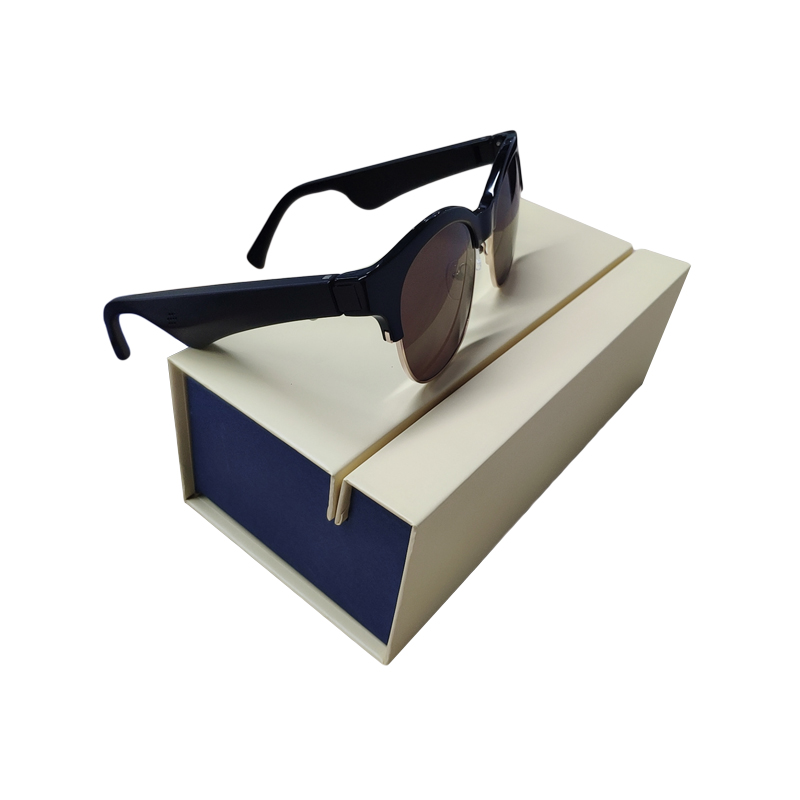
Close view of the hinge, temple and control area of a pair of AI glasses
Temple controls and hinge — the detail shoppers check in hand.
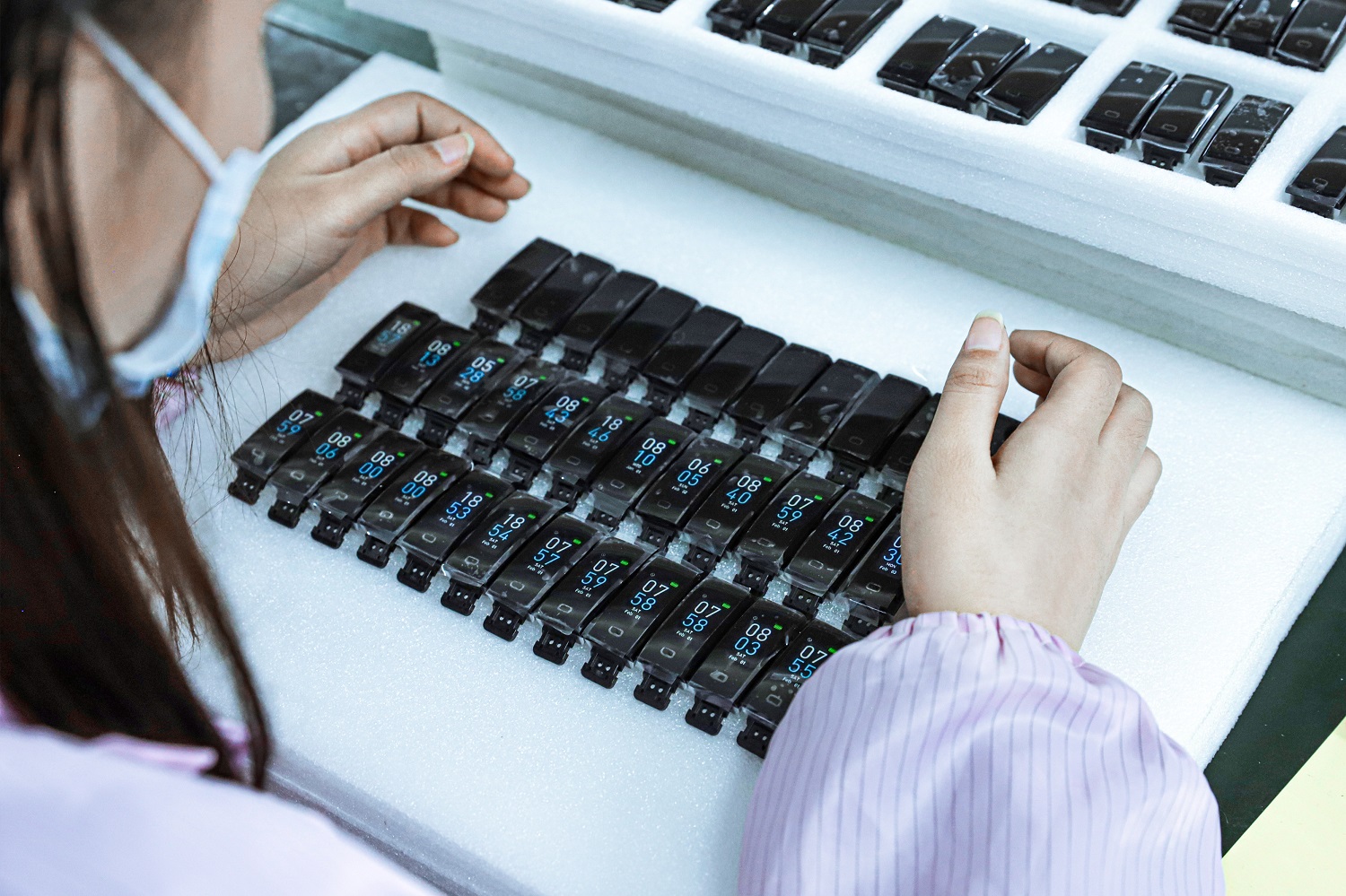
AI glasses assembled on a production bench with functional testers
Final assembly and audio function test before packing.
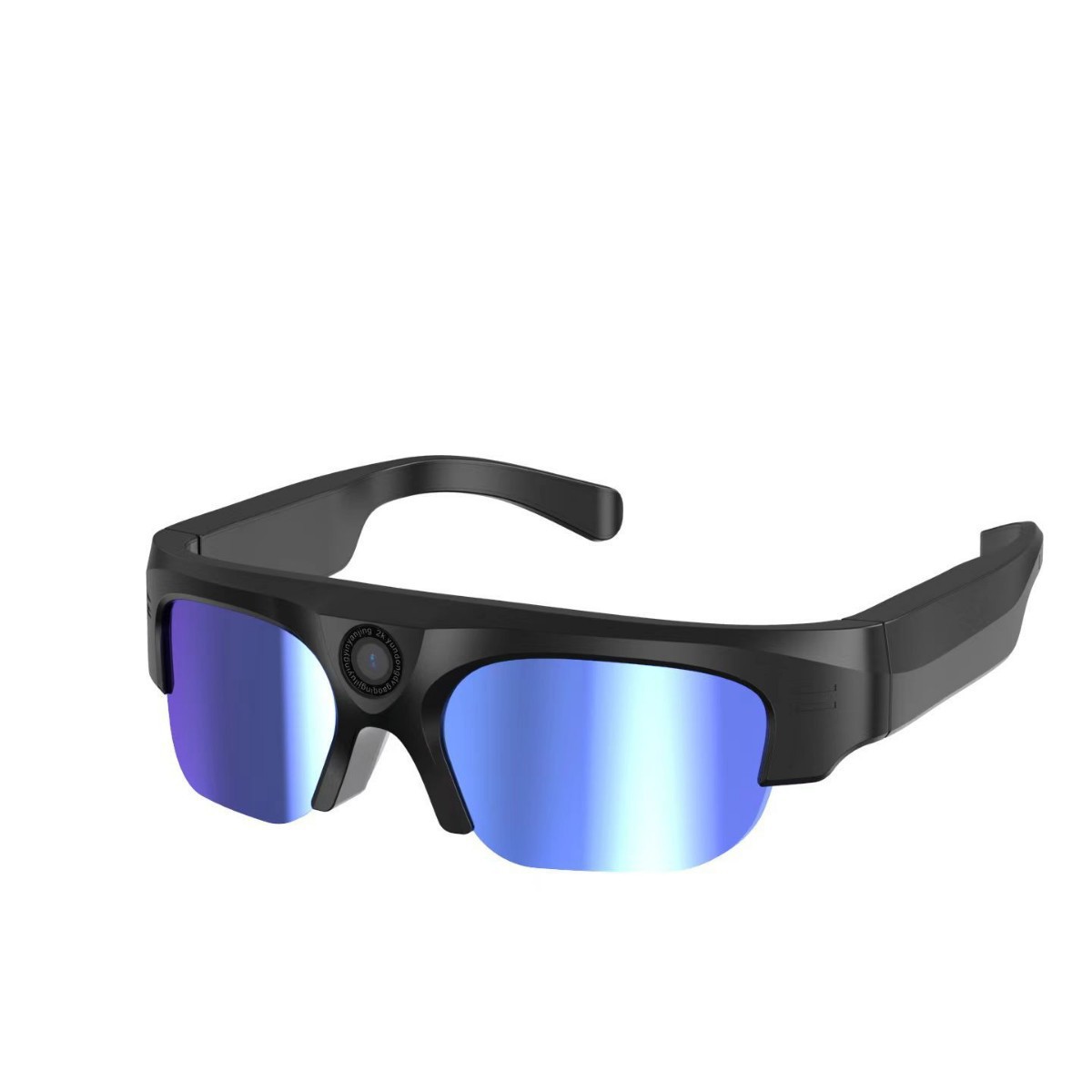
AI smart glasses with an everyday acetate frame photographed from the front
Flagship of the glasses line

Vox One AI Glasses

Real-time translation, open-ear audio and a 12 MP camera in a frame that still reads as ordinary eyewear. Translation is the demo that closes the sale on a shop counter, open-ear audio is the feature customers use daily, and the camera is the reason they talk about it afterwards — so the retail story writes itself in under a minute.

Eight hours of mixed use covers a working day, three acetate colours let a chain build a colour wall, and the frame is prescription-ready so an optician can fit lenses in market. The 300-unit MOQ is the lowest on this site, which makes a first test order a low-risk conversation with a buyer.

CE REDFCC Part 15 B/CMOQ 300 units
Translation
Real-time, paired app
Audio
Open-ear speakers
Camera
12 MP
Battery
8 h mixed use
Frame
Prescription-ready, 3 acetate colours
Retail band
€199 – €299
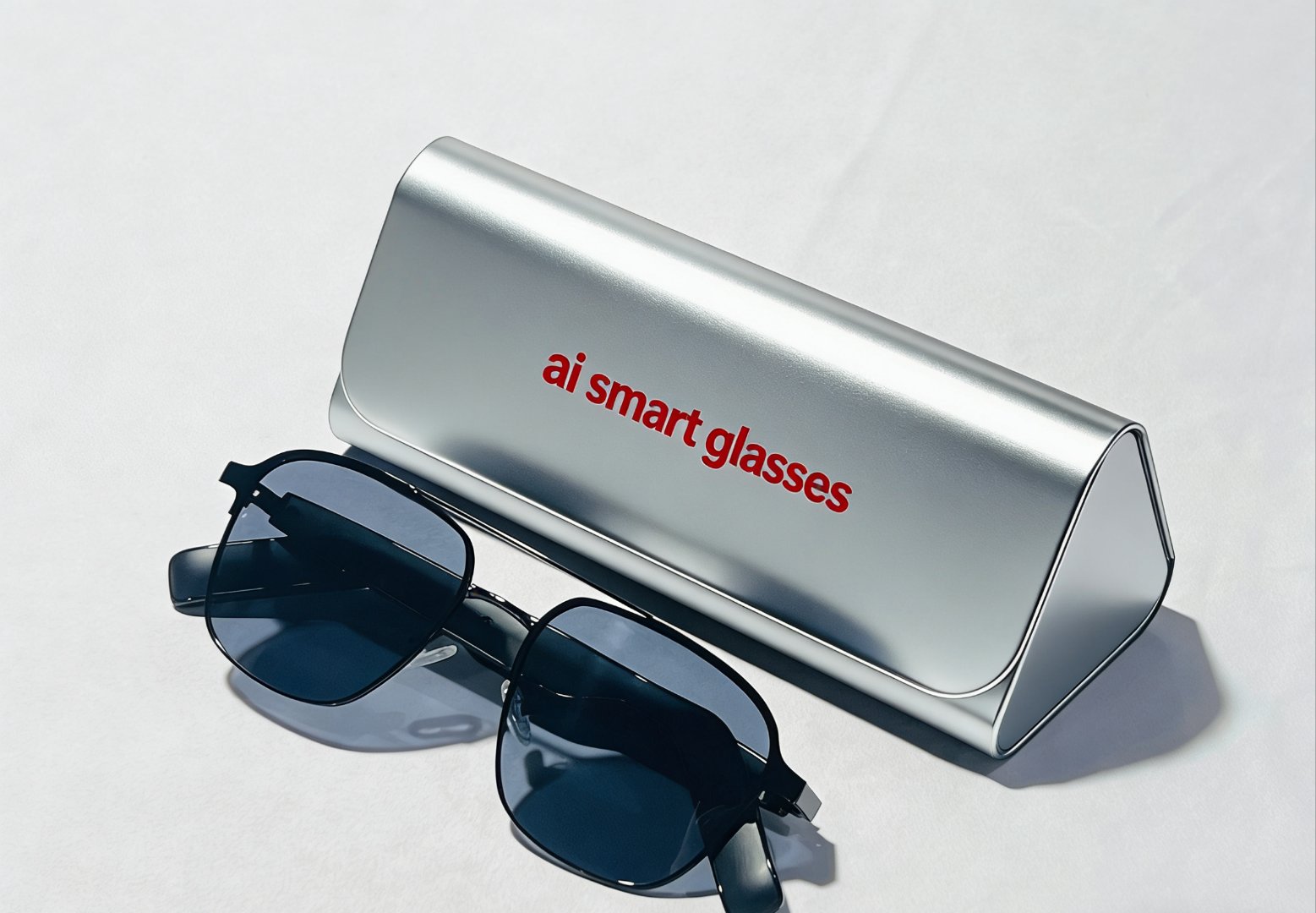
AI glasses folded beside a hard travel case on a table
Camera-free option

Vox Lite Audio Glasses

The same frame language and the same app platform without a camera: open-ear audio, calls and voice assistant, at a lower entry price. We build it because a meaningful share of EU retail buyers tell us the lens on the temple is the objection that stops the sale — workplaces, transport, and customers who simply do not want to be seen recording.

It is also the easier line to sell into corporate and travel channels, where a camera-free device clears internal policy review faster. Order 500 units to start, with your logo on the temple and a white-label app available from 2,000.

No cameraCE REDMOQ 500 units
Audio
Open-ear speakers, calls
Assistant
Voice assistant via app
Camera
None
Frame
Prescription-ready acetate
Retail band
€129 – €179
Side by side

AI Glasses specification comparison

Neither model carries a screen: the Display column describes the optical configuration. Glasses are not rated for immersion. Confirm per model and hardware revision.
ModelDisplayBatterySensorsWater ratingMOQRetail band
Vox One AI GlassesNo screen — transparent lenses, 12 MP camera8 h mixed useCamera, microphones for translation and assistantNot rated — keep dry300 units€199 – €299
Vox Lite Audio GlassesNo screen, camera-freePer approved buildMicrophones for calls and voice assistantNot rated — keep dry500 units€129 – €179

Sampling: stock units in 3–5 days, logo or configured units in 7–15, credited against production. Mass production 25–35 days after an approved sample and deposit; EXW, FOB Shenzhen or DDP by air or sea.

The mistake we see most often on this line: treating a camera on the temple as a spec rather than a policy question. EU retail buyers and their legal teams ask two things first — is there a visible recording indicator, and where does captured data go after it leaves the glasses. If nobody at the supplier can answer in plain sentences, the listing stalls in a buying-office review. Ask us for the indicator behaviour, the app's data path and the hosting region in writing before you quote your retailer, and we will re-issue that answer for each hardware revision you order.

Questions glasses buyers ask first

How many languages does translation support?
The supported set depends on the app build and firmware revision, so we send the current list with the spec sheet instead of a number from a poster. It can be extended for a white-label build from 2,000 units; test the pairs that matter to your market on a sample.
Can an optician fit prescription lenses?
Yes. Both frames are prescription-ready and we ship them as frames, so your lab fits lenses in market. Send a frame set as a sample first and confirm the lens dimensions your supplier works with before ordering a colour wall.
Do you handle GDPR for the app?
We build and host the app platform and will document where user data is stored and which regions you can choose; a white-label build carries your brand and privacy text. Your obligations as seller — notices, DPA, deletion flows — stay with you, and we co-operate on the technical answers your reviewer asks for.

Start the glasses conversation with a demo unit

Send the model, quantity and market. We return the spec sheet, the indicator and data-path answers, the certification list and a written quotation — usually within one business day.