Museum Audio Guide Rental: Charging Per Visitor, Not Per Device
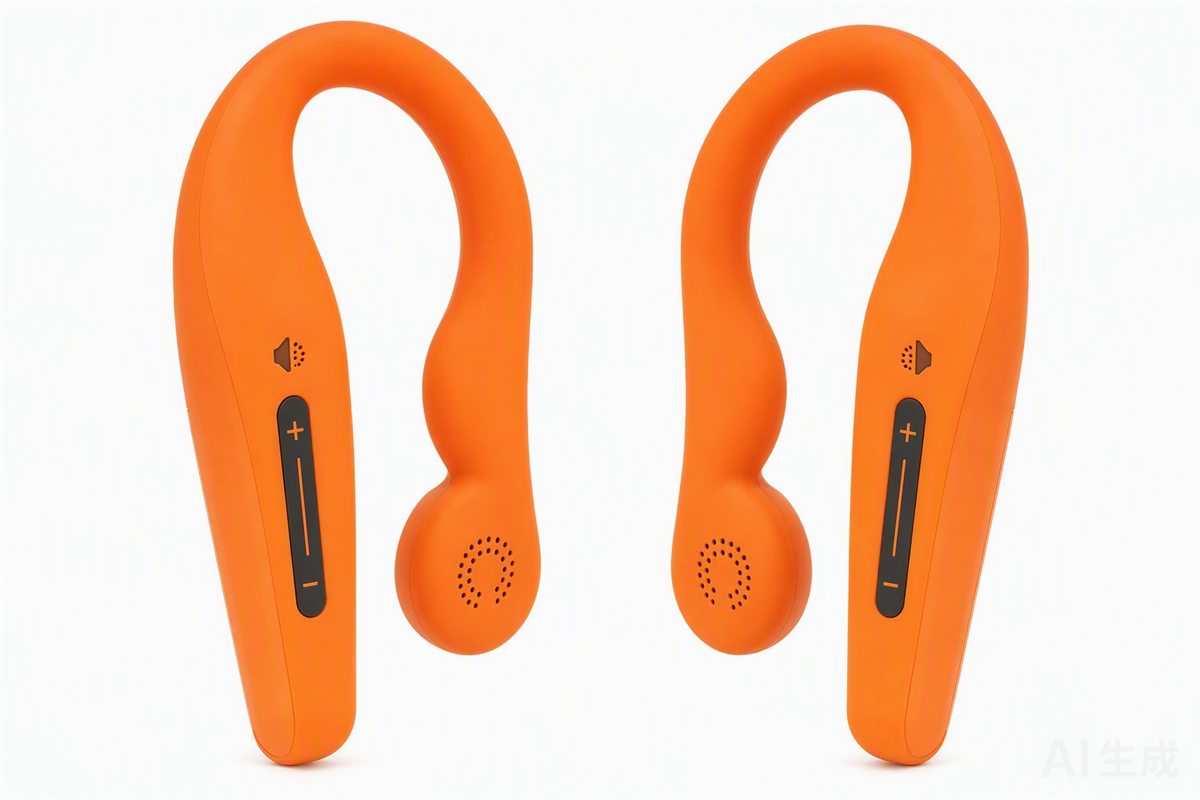
Peak demand reshapes the rental model
When visitor queues appear, the economics of museum audio guide rental shift from fixed asset cost to variable service cost. A device sitting idle for eight hours between rentals has different power, wear and logistics implications than one cycled six times in a single day. This is why leading cultural sites now invoice per visitor — not per device — during peak periods. It aligns revenue with actual usage intensity, staff workload and consumable turnover. The hardware must support that model: consistent audio output across repeated charge cycles, tactile feedback for quick orientation, and physical durability through frequent handling. All WingPhoenix AI Audio Guides line devices are built to this cycle profile, with firmware tested at IQC and FQC gates for sustained playback stability under thermal load.Deposit structure reflects real-world risk
A deposit is not insurance — it is a calibrated response to failure modes observed across European museums: lost earpieces, cracked housings, unreturned units after group tours, and firmware corruption from inconsistent charging. Our standard deposit policy ties to unit type and expected staff interaction level. For example, the G1 AI Guide Player carries a lower deposit than the G2 Open-Ear Guide Receiver, reflecting its sealed enclosure and fewer touchpoints. Deposit terms are documented per order, aligned with the MOQ and sampling lead times published in our MOQ, sampling and lead times resource.Staffing isn’t abstract — it’s embedded in design
Peak staffing pressure shows up in hardware decisions: how fast a volunteer can reseat a battery, whether a charging cabinet supports simultaneous top-up and sanitisation, and whether firmware updates require individual device connection or broadcast over BLE. The rental cabinet is engineered for this — supporting hot-swap battery trays, visual status LEDs per slot, and firmware sync without USB cables. Staff training time is reduced because interface logic mirrors the VOX Guide AI Tour Glasses and A1 AI Pocket Translator, creating cross-device familiarity.Compliance is revision-specific, not model-wide
CE RED, FCC Part 15 and UKCA are not “on the product” — they are tied to a precise hardware revision, firmware build and battery configuration. A test report for one G1 batch does not cover another unless the RF layout, antenna tuning and power amplifier settings remain identical. Importers must verify that the documents supplied — including the CE RED document checklist — match the serial range on the shipment. This is non-negotiable for per-visitor models, where higher duty cycles increase EMC exposure risk.What this rental model cannot do
This museum audio guide rental model does not eliminate manual sanitisation steps, nor does it provide auditable proof of disinfection. No WingPhoenix device carries an IP rating validated for wet cleaning, nor is any unit certified to ISO 14644-1, EN 17163 or equivalent hygiene standards. Sanitisation remains the responsibility of the site’s infection control protocol, and hardware must be treated as a shared surface requiring defined wipe-down intervals, UV exposure duration and PPE requirements. Suppliers claiming otherwise are misrepresenting scope — and importers should reject such claims outright.Hardware selection checklist
| Decision point | Why it matters for per-visitor rental | WingPhoenix verification method |
|---|---|---|
| Battery cycle endurance | Units cycled 5+ times daily must retain ≥90 % capacity after 300 cycles | UN38.3 test summary + SDS shipped with each order; cycle data logged per production batch |
| Firmware stability | Crash rate must stay below 0.2 % across 10,000+ playback sessions | FQC gate includes 72-hour stress test; logs archived per hardware revision |
| CE RED coverage | RF emissions must comply under worst-case thermal load, not ambient lab conditions | Test scope booked per revision with accredited lab; EN 300 328 + EN 301 489 cited verbatim |
| Physical durability | Drop resistance required for frequent handover between staff and visitors | IQC gate uses EN 60068-2-32 drop test; housing material traceable to RoHS 3 certificate |
| Charging cabinet integration | Must support concurrent charging, firmware sync and status reporting without host PC | Validated with G3 Audio Guide Rental Cabinet; BLE broadcast firmware update confirmed |
| Age grading & toy scope | Required if distributed to children under 14; determines EN 71-1/-2/-3 testing scope | Toy Safety Directive 2009/48/EC scope booked per packaging age label; no default assumption |
| Importer duties | WEEE, BattG, DEEE/Triman and EORI/VAT obligations rest solely with the importer | Documented in factory policy; no liability assumed by WingPhoenix for local regulatory filing |
Next step: Align your rental cabinet with your peak staffing plan
Before quoting a per-visitor museum audio guide rental model, confirm that your rental cabinet configuration matches your highest anticipated hourly throughput — and that your staff briefing includes firmware update windows, battery swap timing and sanitisation handover points. Request the CE RED test summary and UN38.3 report for your target hardware revision now, using the compliance checklist in CE RED document checklistQuestions buyers ask
Why do some sites move from per-device to per-visitor museum audio guide rental pricing during peak hours?
Because queue formation exposes bottlenecks in device turnaround, battery life, sanitisation speed and staff capacity — not just hardware count. Pricing adjusts to reflect real-time operational cost, not static inventory.
What does finance need to verify before approving a per-visitor rental model contract?
That the supplier’s warranty, replacement parts allocation and QC gates support sustained high-cycle use — and that compliance documentation matches the exact hardware revision deployed on-site.
A distributor reports that 12% of units failed after three days of back-to-back museum audio guide rental use. What should they check first?
Whether the firmware version shipped matches the one validated in the CE RED test report for EN 300 328 and EN 301 489, and whether the battery UN38.3 summary covers the specific cell batch used in that production run.
What is the one claim most suppliers avoid naming directly when pitching per-visitor museum audio guide rental?
That no current WingPhoenix AI audio guide model carries a certified disinfection rating (e.g., IP65 + ISO 14644-1 Class 5 or equivalent), and that all sanitisation must follow site-specific protocols validated by the importer’s hygiene team.
Related: more on ai audio guides · buyer guides · customisation tiers