Elder Consent Withdrawal in AI Health Devices
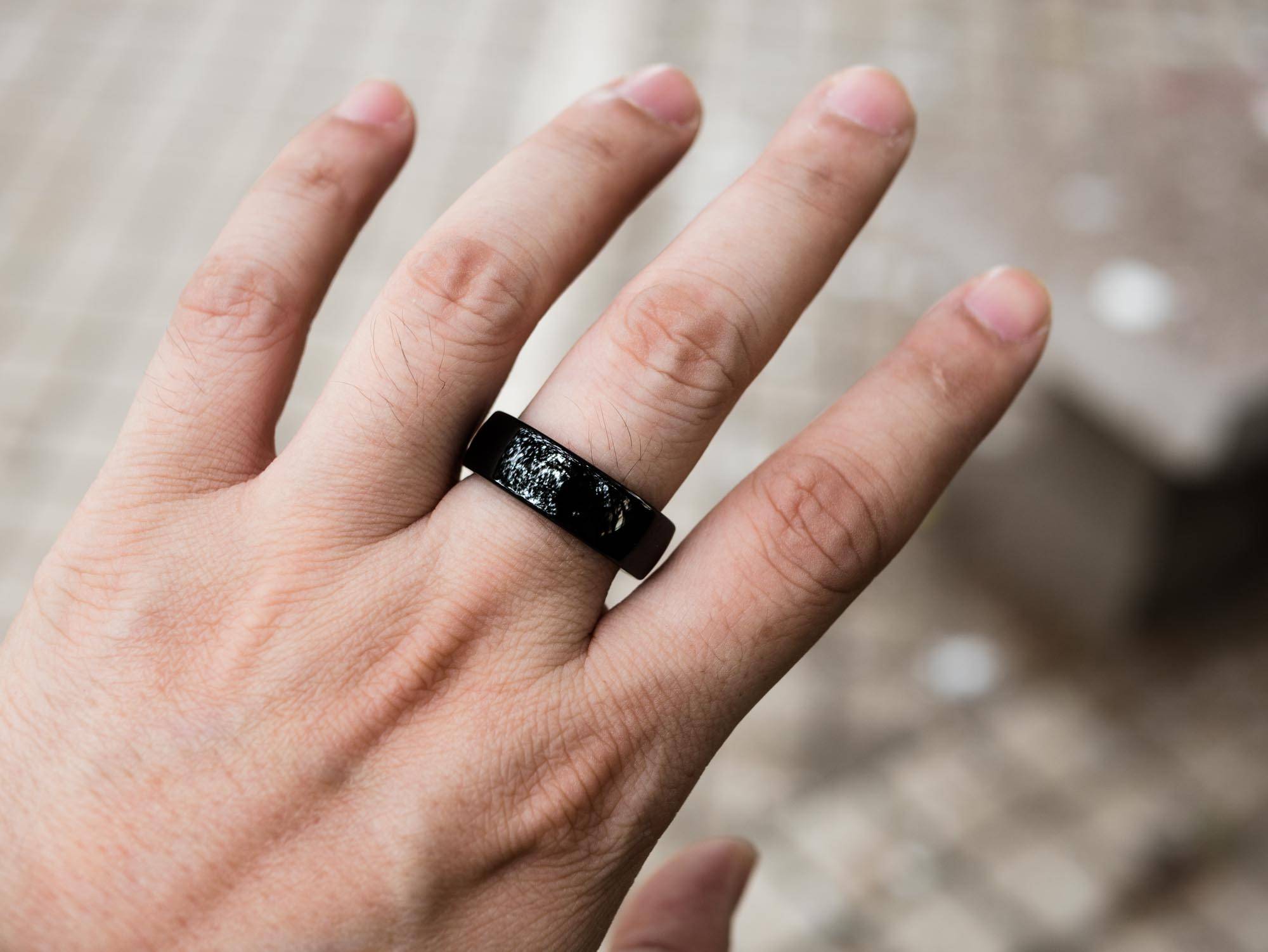
Who Holds Authority — and Where It Ends
Consent for an older resident using WingPhoenix health devices is managed at the facility level, not the device level. A legally appointed guardian may sign on behalf of the resident, but WingPhoenix hardware does not authenticate, store or validate legal documentation. The Health & Wellness line — including the H3 health smartwatch and R1 AI health ring — accepts instruction from facility staff or guardians to initiate or revoke consent. This is a procedural handover, not a legal validation. Facilities must retain signed delegation forms separately. WingPhoenix does not hold, process or archive those documents.
The Freeze State: Immediate, Local, Non-Negotiable
When consent is formally withdrawn, the device enters a defined freeze state. This is triggered manually through the companion app or facility admin portal — no biometric or voice-based override is supported. In freeze mode, the device stops all active sensing (heart rate, SpO₂, motion), disables Bluetooth LE advertising, halts cloud upload, and suspends on-device AI inference. Data already stored locally remains accessible only to the device owner or facility technician via physical access. No remote command can unfreeze the unit without re-enrolment. This behaviour is consistent across the AI wearables line, including the R2 smart ring and K1 AI companion robot. It is not a sleep or low-power mode — it is a compliance boundary.
Audit Trail: Local, Immutable, Exportable
The audit log records four mandatory events: initial enrolment, last successful sync, freeze activation, and manual deletion. Each entry includes UTC timestamp, device ID, operator role (e.g., “guardian”, “facility nurse”), and action hash. Logs are written to encrypted flash memory and cannot be edited or backdated. They are exportable in CSV format via USB-C cable or QR code scan — no internet connection required. This design aligns with facility requirements for internal audits and satisfies the evidentiary need under EN 62368-1 Annex A for traceable safety-related actions. The how we build and test page details how firmware write-locking is verified at FQC.
Deletion: What Happens, and What Does Not
Manual deletion clears all user-collected wellness data — step count, resting heart rate trends, activity duration — but leaves firmware, calibration values and device identifiers intact. No personal data is retained post-deletion. However, WingPhoenix does not perform full cryptographic erasure, nor does it issue a certificate of deletion. The facility must confirm deletion visually via the device UI or log export. For devices under OEM/ODM services, custom deletion logic can be scoped — but only if specified before firmware sign-off and validated at IQC.
What This Process Cannot Do
This consent workflow does not extend beyond the single device. There is no networked revocation: withdrawing consent on one R1 ring does not affect another R2 ring or an H3 watch in the same facility. WingPhoenix does not supply a central consent dashboard, nor does it integrate with EHR or facility management systems. No audit log is sent to a national registry, and no report meets GDPR Article 32 “security of processing” certification — that is the importer’s responsibility under EU and UK data law. Facilities importing into Germany must assign their own CE RED document checklist signatory; WingPhoenix supplies the technical files per revision but does not assume the role of EU/UK Responsible Person.
Procurement and Compliance Checklist
| Requirement | Covered by WingPhoenix? | Importer Responsibility |
|---|---|---|
| Local audit log with UTC timestamps | Yes, built-in, exportable | None |
| Guardian enrolment workflow | Yes, app-supported | Verify legal authority before use |
| Automatic remote wipe on revocation | No | Not supported — exclude from RFPs |
| Cross-device consent sync | No | Facility must manage per-device status |
| GDPR Article 17 deletion report | No | Generate internally or via third party |
| EU Responsible Person assignment | No | Required under RED and RoHS — importer appoints |
| Battery UN38.3 + SDS inclusion | Yes, with every order | Confirm watt-hour rating matches label |
| EN 1811 nickel release testing | Yes, for skin-contact models | Verify test report matches size batch |
WingPhoenix hardware provides the foundational controls — freeze, log, local deletion — but does not replace facility-level governance. To align your procurement with this model, review the MOQ, sampling and lead times for configured units, confirm age grading and toy scope where applicable, and specify consent logic early in the OEM/ODM services engagement. Send us the specification so we can confirm firmware readiness and document scope for your next hardware revision.
Questions buyers ask
Who signs consent when the resident lacks capacity?
A legally appointed guardian signs; WingPhoenix devices do not verify legal authority but accept signed instruction as input to the consent workflow. The guardian’s identity and delegation must be confirmed by the facility before system enrolment.
What happens the moment consent is withdrawn?
The device enters a frozen state: no new data collection, no cloud sync, no AI inference, and local storage remains intact until manual deletion or factory reset. No automatic remote wipe occurs.
How does a care facility prove consent was withdrawn?
Through a timestamped, immutable audit log stored locally on the device and optionally exported via USB or QR scan — no cloud dependency, no third-party logging service.
What does WingPhoenix not cover in consent withdrawal?
We do not implement automated cross-device revocation, nor do we provide a centralised consent registry or GDPR Article 17 “right to erasure” compliance report. That responsibility rests with the facility’s IT and data governance team.
Related: more on ai health monitoring · buyer guides · customisation tiers